
Gear Up Right: What to Wear to Ride a Motorcycle

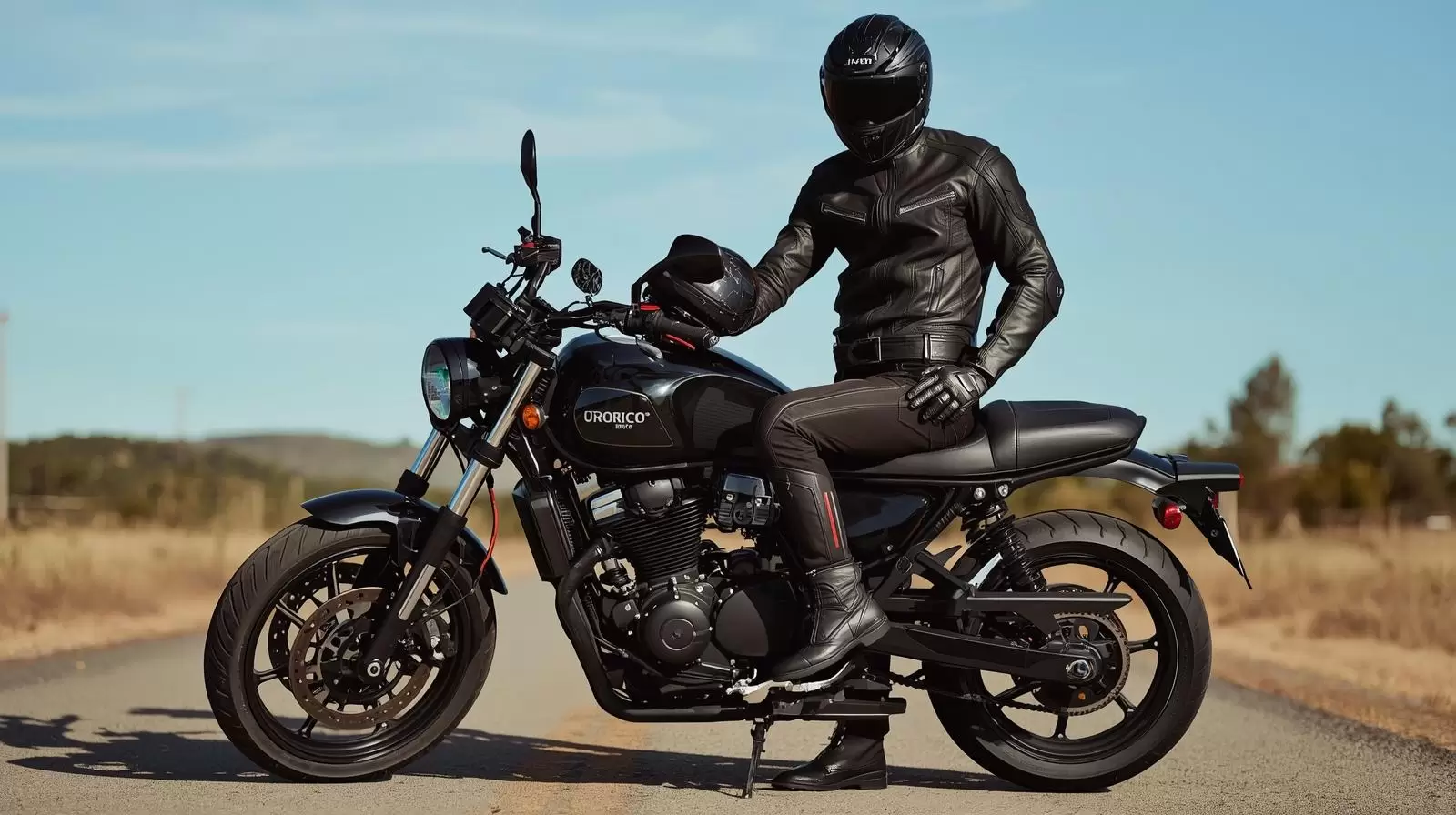
Motorcycles are fun until something goes wrong. That’s when gear matters most. What to wear to ride a motorcycle starts with a DOT-approved helmet, a proper jacket with armor, pants that can handle a slide, boots covering the ankles, and gloves.
Throw in some moisture-wicking layers underneath and make sure nothing’s loose enough to snag on the bike. Nobody wants to look like a Power Ranger just to ride to work.
Good news is, gear has gotten way better. There’s stuff for summer heat, winter cold, and everything between. This guide covers what actually works.
The Foundation: Helmets That Actually Protect
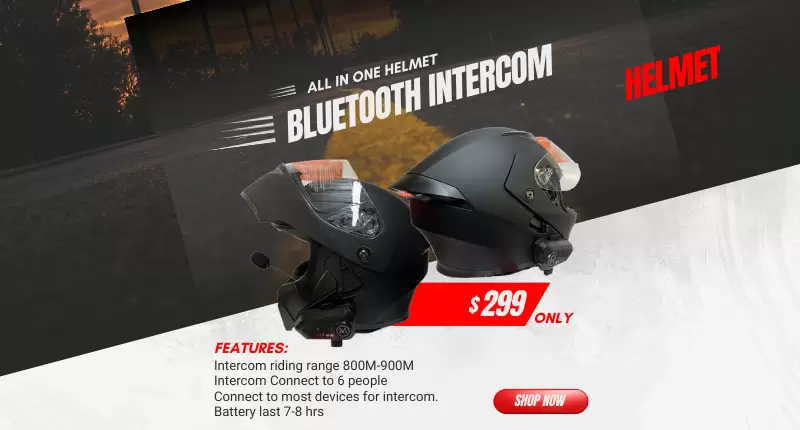
A helmet is non-negotiable. Full-face ones protect everything, including the chin and jaw. Modular helmets flip up when needed, which is handy at gas stations. Then there’s the Open Face Helmet that covers most of the head but leaves the chin exposed.
Classic look, decent airflow, though less protection than full-face options. Check for DOT, ECE, or SNELL stickers inside. The fit should be tight but not painful. Shake the head around. If it moves, it’s too loose. Cheek pads should press against the face without feeling like a vice grip.
Jackets: The Shield Between Skin and Asphalt
Jackets are where most riders start after helmets. They’re basically what keeps skin intact during a slide. Leather Jackets have been doing this job forever. They take a beating, look good doing it, and come with pockets for armor at elbows, shoulders, and back.
Real motorcycle leather isn’t the fashion store stuff. Fit matters here. Too loose and the armor shifts around. Too tight and movement becomes awkward. The jacket should feel like part of the body, not something fighting against it during turns.
Textile Options: Versatility Meets Protection
Textile jackets changed the game for riders dealing with different weather. Waterproof Solid Textile Jackets keep rain out while still offering solid protection from road rash. Materials like Cordura hold up surprisingly well.
Plus, many come with liners that zip in and out depending on temperature. The venting on these is usually better than leather. Zippers open and close to control airflow. One jacket handles commuting in spring and touring in fall without much fuss.
Summer Riding: Staying Cool Without Compromising Safety
Riding in 95-degree heat with full gear sounds miserable. It doesn’t have to be. Summer Mesh Jackets use large mesh sections for airflow while keeping armor where it counts. Light colors help too since they reflect heat instead of absorbing it like black leather.
Even with all that ventilation, the important bits stay protected. CE-rated armor still sits at shoulders, elbows, and back. Liners wick sweat away, so rides don’t turn into sweat baths. Summer gear proves hot weather and protection can coexist.
Pants: Lower Body Protection Matters Too
Legs need protection just as much as upper bodies. Road rash doesn’t care which body part hits pavement. Proper motorcycle pants use the same tough materials as jackets and include armor at knees and hips.
Kevlar jeans split the difference, looking normal but handling slides better than regular denim. Textile or leather overpants work great for commuters. They zip on over work clothes and come off at the office.
One rule applies across all pants: avoid baggy fits. Loose fabric catches on pegs, levers, and chains, which creates bigger problems than comfort ever solved.
Boots and Gloves: Protecting Extremities
Hands and feet take serious hits during crashes. Regular sneakers and winter gloves won’t cut it. Motorcycle boots need to cover ankles at minimum. Look for reinforced toes, good grip on the soles, and shin protection.
Oil-resistant bottoms help with slippery gas station floors too. Gloves stay on year-round, even when it’s hot. Summer gloves have perforations for cooling. Winter versions add insulation and waterproofing.
All of them should have knuckle armor and reinforced palms. Fingers heal slowly, so protecting them upfront makes sense.
Layering Smart: The Foundation Beneath Protection
What goes under the gear matters more than most riders think. Base layers handle sweat and temperature swings during long rides. Moisture-wicking fabric pulls dampness away from skin instead of letting it sit there getting cold.
Some base layers even come with built-in armor, letting riders throw regular clothes over them. During cold weather, thermal base layers trap body heat while allowing perspiration to escape.
Layering provides flexibility for adding or removing pieces at stops to maintain comfort. Smart layering extends riding seasons and makes longer journeys much more enjoyable overall.
Weather Considerations: Adapting to Conditions
Weather changes plans fast. Summer needs ventilation without giving up protection at impact zones. Rain requires either waterproof gear or dedicated rain suits that pack small and deploy fast. Nobody enjoys getting soaked three miles from home.
Winter riding has its own challenge. Wind cuts through everything, so outer layers need to block it completely. Heated gear makes frozen fingers and numb toes a thing of the past. Waterproof gloves and boot covers round out the setup for nasty weather days.
The Visibility Factor: Being Seen Saves Lives
The best armor won’t help if drivers never see the motorcycle coming. High-visibility gear makes a massive difference, especially during dawn, dusk, or cloudy days. Reflective strips and bright colors catch attention when it matters most.
Modern gear hides reflective materials pretty well. Piping along seams or small panels work without looking like a crossing guard uniform. Getting seen beats looking cool when someone’s about to change lanes into the bike.
Building a Riding Wardrobe: Practical Tips
Starting from zero feels expensive and overwhelming. The trick is building gradually instead of buying everything at once. Core items come first: helmet, jacket with armor, gloves, boots. That covers the basics for local rides.
Then add weather-specific pieces. Rain suit for unexpected storms. Summer gloves when regular ones feel like ovens. Winter gear when cold would otherwise end the riding season.
Quality beats quantity every time. One solid jacket that fits right and holds up beats three cheap ones that fall apart or fit poorly.
Final Thoughts!
What to wear to ride a motorcycle really comes down to covering the bases without overthinking it. Helmet, jacket, pants, boots, gloves. Get those right, and everything else is just optimization.
Protection matters most, but comfort and weather resistance make rides better instead of just safer. Gear options have never been better. Leather for tradition, textile for versatility, mesh for summer, heated options for winter.
Something exists for every rider and situation. The hard part is actually wearing it consistently. Gear only works when it’s on the body. The most expensive helmet sitting on a shelf does nothing when a crash happens.
Making gear automatic, like checking mirrors, turns it from a chore into just part of riding.
Frequently Asked Questions
- What should beginners wear when learning to ride a motorcycle?
Start with a full-face helmet, armored jacket, gloves, boots, and long pants with protection. Learning involves more mistakes, so protection matters even more during early rides.
- Can regular jeans provide enough protection for motorcycle riding?
Standard denim shreds in under a second during slides and offers almost no protection. Kevlar jeans or proper motorcycle pants handle abrasion way better while looking fairly normal.
- How much should riders budget for essential motorcycle gear?
Expect to spend $500 to $1000 for decent quality basics that actually protect. Spending more upfront on quality saves money later through durability and better protection.
- Do motorcycle jackets need to have armor?
Armor at shoulders, elbows, and back dramatically reduces injuries during impacts. CE-rated armor meets tested standards that make real differences in crashes.
- Is it safe to ride a motorcycle in hot weather?
Hot weather riding works fine with ventilated summer gear designed for heat. Mesh jackets provide airflow while keeping armor at critical spots for protection.