

Motorcycle Neck Gaiter: The Riding Gear Most Skip

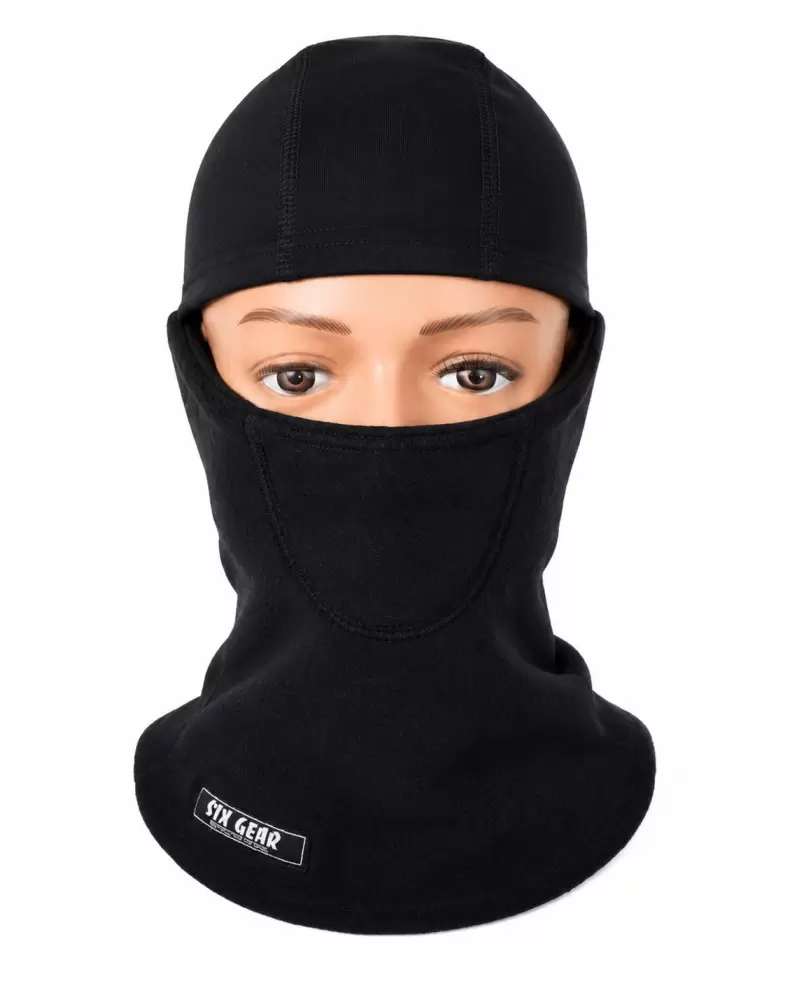
Riders spend good money on jackets, helmets, and gloves. Yet somehow that small strip of skin between the helmet edge and jacket collar gets completely ignored.
Wind at highway speeds hits that spot harder than anywhere else on the body. A motorcycle neck gaiter is the simple fix that most riders discover way too late.
Studies show wind chill at speed can drop the felt temperature by more than 20 degrees on bare skin. What makes this tiny piece of fabric worth more than gear costing ten times its price?
What Is a Motorcycle Neck Gaiter
Think of a motorcycle neck gaiter as a seamless fabric tube built for one job: closing that collar gap for good. Pull it up, and it covers the chin, the nose, or the whole head depending on how cold things get.
A scarf shifts around and flaps at speed. A balaclava takes forever to sort out before a ride. A gaiter goes on in ten seconds flat and stays exactly where it needs to be.
Riders who try one on a cold morning tend to make it a permanent part of the kit pretty quickly.
How It Performs Across Different Riding Conditions
Here is the thing most people get wrong about a neck gaiter for motorcycle riding. It is not just a winter item. In the cold, it sits at the collar line blocking wind and trapping heat right where the body loses it fastest.
On freezing motorway stretches, pulling it up over the mouth makes an almost instant difference. Come summer, that same neck buff switches roles without any fuss.
It blocks UV rays hitting the back of the neck, filters grit on open roads, and stops sweat from soaking deep into the helmet liner.
That last part matters more than most riders realize because once helmet padding starts breaking down from moisture, there is no fixing the smell.
Choosing the Right Material for the Right Ride
Getting the material right is honestly where most riders go wrong the first time. A good polyester-elastane mix gives enough stretch to stay comfortable under a helmet, breathes properly during summer heat, and dries fast after a wet ride.
Cold weather calls for something with a proper fleece lining or PrimaLoft insulation behind it, not just thick fabric. PrimaLoft holds its warmth even when soaked, which makes it genuinely useful on unpredictable riding days.
Summer riding calls for a UPF 50+ rated option that actually blocks the sun rather than just sitting over the skin. And always check the construction before buying. A real seamless circular knit feels comfortable against the face for hours.
A cheap sewn front seam digs into the chin within thirty minutes and makes wearing it as a face cover almost unbearable.
How to Wear a Motorcycle Neck Gaiter
Most riders pull on a tubular neck gaiter, settle it around the neck, and call it done. There is actually a lot more to work with here. Around the neck handles the basic collar gap sealing on cold rides.
Pulling it up over the chin takes care of wind protection on faster roads without the visor fogging up. On really cold days, stretching it fully over the head gives a clean lightweight balaclava effect that sits neatly under the helmet without any bunching.
Summer riding works well with it worn loosely as a bandana, blocking sun and dust without building up heat underneath. Even on mild mornings, folding it into a headband covers the ears enough to make the first hour of riding noticeably more pleasant.
Riders with beards get something extra too. That fabric barrier between the beard and jacket collar stops the friction rub that quietly irritates the skin over longer rides.
Pairing the Gaiter with the Rest of the Kit
A motorcycle neck gaiter genuinely works better when the whole kit is built to complement it. In cold weather, it fills the one thermal gap that even expensive jackets leave open at the collar.
On warmer days, pairing it with Mesh Pants keeps the full riding setup breathable from top to bottom while still handling protection properly.
Riders who lean toward a street casual look will find it works just as naturally alongside Protective Denim Jeans, gear that passes for everyday clothing while still taking rider safety seriously. Most riders add the neck gaiter last when building out a kit.
Most also say it is the piece they notice most when they accidentally leave it behind.
What to Avoid When Buying a Motorcycle Neck Gaiter
Cheap motorcycle neck gaiters have a habit of looking perfectly reasonable online and falling apart fast in real use. Fabric that starts pilling after three washes is a red flag. A gaiter that is too short to actually pull up over the nose is basically useless in the cold.
Vague labels like windproof or thermal without any real spec behind them usually mean nothing in practice. A gaiter that holds moisture against the skin instead of pulling it away will make summer riding genuinely uncomfortable.
Spending a little more on an Oeko-Tex certified riding neck gaiter from a brand that actually builds for motorcyclists pays off fast. Something that sits against bare skin near the face for hours on end deserves proper, honest materials.
FAQs
Can a motorcycle neck gaiter replace a balaclava?
For most rides, it gets the same job done with a fraction of the hassle. A good gaiter covers the neck and face without the fuss of pulling on a full head garment before every ride.
Does it fit comfortably under a helmet?
A proper stretch fabric gaiter slides under most helmets without pushing the liner out of shape. Bulkier fleece-lined versions can feel a little snug inside tighter-fitting sport helmets.
Does it actually help in summer?
A lightweight moisture-wicking gaiter handles UV protection and dust filtering without cooking the neck underneath. The trick is picking a breathable fabric version and leaving the fleece-lined ones for winter.
Will it cause problems with a Bluetooth intercom?
Thin polyester versions sit close enough to the skin that intercom mics work fine. Thicker fleece versions sometimes push the microphone slightly out of position depending on the mount setup.
How should it be washed properly?
A cool machine wash at 30°C followed by air drying keeps the stretch and wicking performance going for a long time. Fabric softener is worth avoiding because it quietly kills the technical performance of the fabric.
Is it worth wearing on adventure and off-road rides?
On gravel roads and dirt tracks, pulling it up over the nose filters out the kind of dust that gets everywhere on long adventure days. Real protection with zero added bulk is a pretty straightforward win.