

Can You Ride a Motorcycle in the Rain? Expert Safety Tips

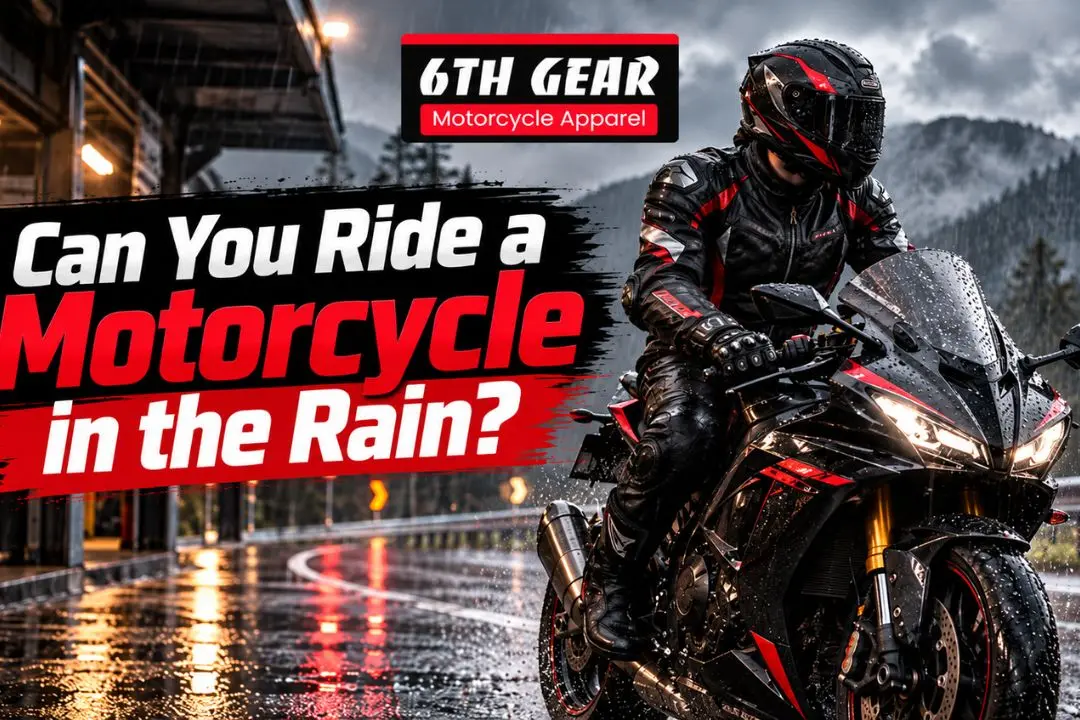
Nothing tests a rider’s nerves quite like dark clouds rolling in halfway through a trip. Wet roads steal grip, fog up visors and hide hazards that seem harmless on sunny days.
That leaves many riders wondering, can you ride a motorcycle in the rain safely? Yes, and good tires, waterproof gear, working ABS and smooth control make it very manageable. That approach works, and the numbers back it up.
The Insurance Institute for Highway Safety found bikes with ABS are 31% less likely to end up in fatal crashes. So which small habits keep experienced riders upright when the road turns slick?
Is It Safe to Ride a Motorcycle in the Rain?
Honestly, it’s a lot safer than most new riders expect. Modern tires push water aside through their grooves, keeping rubber in contact with the road.
Many newer bikes also come with ABS, traction control and a rain mode that softens throttle response. Still, rain does change a few important rules on the road.
Grip drops, braking distance on wet roads grows, and car drivers see far less. So the real question isn’t whether riding a motorcycle in the rain is possible. It’s whether the rider and the bike are ready for it.
Why the First Rain of the Season Feels So Slippery
Here’s something most of us learn the hard way. Roads get slickest right after rain begins, especially following a long dry spell.
Oil, rubber dust and grime sit on the asphalt for days before the first shower lifts them up. As a result, the surface turns greasy before rain gets a chance to rinse it clean.
Riders often spot a light foam near traffic lights, where cars idle and drip oil. After about 30 minutes of steady rain, grip usually improves. That’s why experienced riders slow down by 10 to 25% early on.
Best Gear for Riding in the Rain
Nobody rides well while cold and soaked to the skin. Wet clothing drains body heat fast, and a shivering rider reacts much slower. That’s why waterproof motorcycle gear matters just as much as riding skill.
Good motorcycle rain gear with sealed seams keeps water out, while a snug fit stops flapping at speed. Leather riders can simply pull a rain suit over the top when clouds turn dark.
Waterproof gloves keep fingers nimble on the levers, too. Reflective panels also help drivers notice a bike through a streaky windshield.
Quick Checks Before a Wet Weather Ride
A quick walk around the bike can prevent a very long afternoon. Tires come first, since they’re the only thing touching the road. Motorcycle tire tread depth should sit at 3mm or more for proper water channeling.
Correct tire pressure matters just as much, because soft tires invite motorcycle hydroplaning. Brake pads need plenty of material left on them.
Riders should also check for oil or brake fluid leaks before rolling out. A tiny drip on a dry day becomes a real hazard in the rain.
How to Ride a Motorcycle on Wet Roads
Smooth inputs matter more than anything else out here. Sudden throttle, braking or steering asks the tires for grip that simply isn’t there. Braking earlier and squeezing both brakes gradually keeps the bike nicely settled.
Leaning a little less in corners helps a lot too. Meanwhile, doubling the usual following distance buys extra reaction time and avoids road spray.
Painted lines, manhole covers and tar snakes turn slick when wet, so steering around them makes sense. On the other hand, car tire tracks often form a drier line with better grip.
Road Hazards That Hide in the Rain
Puddles look harmless, but they often hide deep potholes and loose debris. Rainbow colored patches on the road usually point to a fresh oil slick. Railway tracks and metal grates deserve extra care, and crossing them upright works best.
Stops at intersections bring their own risk, since a boot can easily slide on wet paint. That’s where motorcycle riding boots with slip resistant rubber soles really earn their place. Engine braking also helps slow the bike gently without upsetting the tires.
How to Stop a Helmet Visor From Fogging
Rain cuts visibility for everyone, and drivers already miss motorcycles on clear days. Keeping the headlight on a low beam in heavy rain reduces glare for oncoming traffic. A full face helmet blocks wind driven rain far better than an open design.
When the visor fogs up, a Pinlock insert or slightly open vents usually clear it fast. At higher speeds, the wind pushes droplets off the shield on its own. A quick glove wipe works too, as long as eyes stay on the road.
When Riders Should Pull Over and Wait
Light to moderate rain is manageable, but some days call for real patience. Thunderstorms leave a rider with zero shelter from lightning strikes. Flooded roads can stall an engine and push the bike sideways without warning.
Freezing rain brings black ice into play, and no gear can fix that. If rain surprises a rider midway, dropping speed by about 15% is a smart first move.
After a heavy downpour, waiting 30 minutes lets standing water drain away. Pulling into a gas station to wait out a storm is never a weak move.
Does Rain Damage a Motorcycle?
Occasional rain won’t ruin a bike, but neglect after the ride certainly will. Wiping everything dry and rinsing off road grime keeps rust and corrosion away. Rain also strips chain lube quickly, so reapplying lubricant to the chain is a must.
Checking brakes and electrical connectors for moisture takes only a few minutes. Wet riding gear needs a little love afterward as well. Hanging jackets and gloves to dry away from direct heat keeps them working for years.
Rain Doesn’t Have to Cancel the Ride
So, can you ride a motorcycle in the rain and actually enjoy it? Absolutely, once the basics start to feel like second nature. Rain riding builds smoother control, sharper road reading and a lot more patience.
Those habits pay off nicely on sunny days too. With good tires, proper gear and a calm head, a wet ride feels surprisingly fun. Riders prepping for the rainy season can explore the full 6th Gear collection at six-gear.com.
FAQs
Is it safe to ride a motorcycle in the rain?
Yes, as long as the rider slows down, wears waterproof gear and rides smoothly.
Can beginners ride a motorcycle in the rain?
Yes, but short and familiar routes in light rain help build confidence first.
How should riders handle heavy rain on a motorcycle?
They should slow down, double the following distance and avoid painted lines. Pulling over makes more sense when visibility drops badly.
Does riding in the rain damage a motorcycle?
Not directly, but skipping chain lube and cleaning afterward can slowly lead to rust.
How long after rain is it safe to ride a motorcycle?
Riding right after a light shower is usually fine. After heavy rain, waiting about 30 minutes helps standing water drain.
Should riders use cruise control in the rain?
It’s better to switch it off on wet roads. Cruise control can slow a rider’s reaction when traction suddenly drops.