
Kevlar vs. Aramid: Key Differences Explained

Ever grabbed a jacket and wondered why one tag says “aramid” while another proudly displays “Kevlar”? This confusion shows up everywhere in protective gear shopping. Most people think these words mean the exact same thing.
The difference between kevlar and aramid actually breaks down simply: aramid covers the whole family of super-strong, heat-resistant synthetic fibers, while Kevlar is what DuPont named their specific brand of premium para-aramid.
Think of it like calling all tissues “Kleenex” when that’s really just one brand. Getting this right matters more than it sounds when picking gear that might save someone from serious injury.
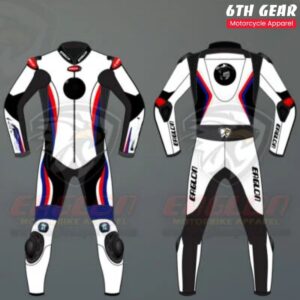
Premium Pro Leather Race Suit
$1,299.00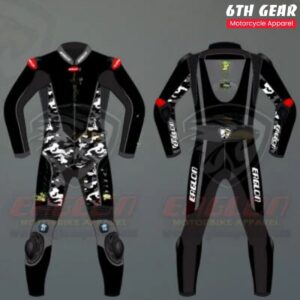
GoPro Motorcycle Race Suit
$1,299.00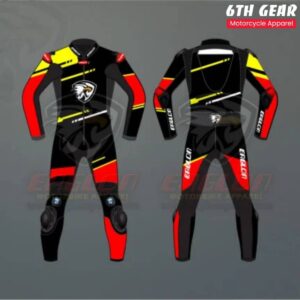
Flyjet Motorcycle Race Suit
$1,299.00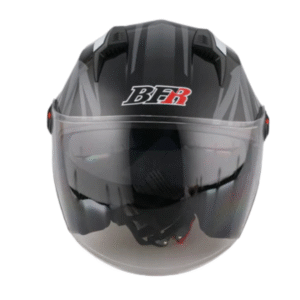
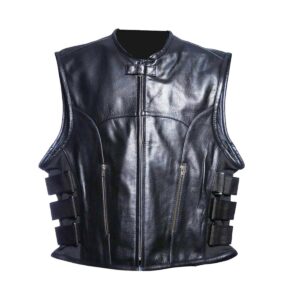
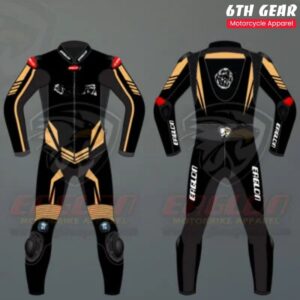
Copper Leather Race Suit
$1,299.00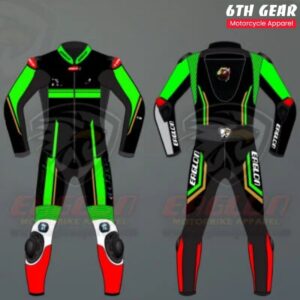
Motorcycle Race Suit
$1,299.00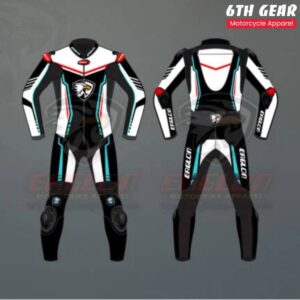
Burex Leather Race Suit
$1,299.00
What exactly is Aramid Fiber?
Aramid covers a whole group of synthetic fibers built to handle extreme conditions. Back in the 1960s, chemical companies competed to create something tougher than nylon but way lighter than steel. What they developed changed everything.
These fibers laugh at high temperatures without melting and resist cuts and tears incredibly well. Two main versions exist: para-aramids bring exceptional strength and cut resistance, while meta-aramids handle flames and heat better.
Anyone building a Custom Race Suit or choosing safety gear really needs to know which type works for their situation.
Breaking Down the Kevlar Story
Kevlar became the household name everyone recognizes. Stephanie Kwolek at DuPont accidentally found this material in 1965 while testing stuff for tire reinforcement. That happy accident changed personal protection forever.
This para-aramid lines up its molecular chains in a special way that creates strength about five times greater than steel at the same weight. The material catches and spreads impact energy beautifully, which explains why bulletproof vests depend on it.
DuPont guards the trademark carefully and keeps quality standards strict, so real Kevlar performs the same way every time.
The Real Difference Between Kevlar and Aramid
Here’s what the difference between Kevlar and aramid really means in practice. Aramid works as the big umbrella term, and Kevlar sits underneath as one specific product.
Every piece of Kevlar counts as aramid, but tons of aramid fibers exist that aren’t Kevlar at all. Generic aramid materials change quite a bit based on who makes them and how they do it.
Brands like Twaron get close to what Kevlar delivers, while something like Nomex does totally different work. Kevlar hits between 3,620 and 3,760 MPa in strength tests consistently.
Other aramids land anywhere from 2,800 to 3,500 MPa. Serious riders usually want confirmed Kevlar in their Open Face Helmet padding.
Where Each Material Shines
Kevlar wins when impact resistance and strength matter above everything else. Body armor, motorcycle jackets, aircraft parts, and tough work gloves typically call for Kevlar instead of generic options.
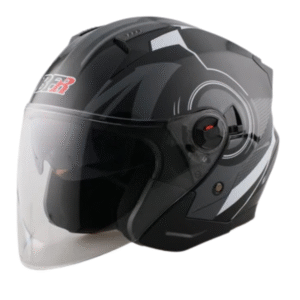
When Full Face Helmet makers add extra protection layers, Kevlar stays the top pick even with higher costs. But other aramids have their strong points too. Nomex actually beats Kevlar when flames are involved, which makes it perfect for firefighter suits and racing gear.
Electrical workers go with Nomex for arc flash situations. Factory equipment like conveyor belts often uses cheaper aramid versions when maximum impact protection isn’t really necessary.
Cost Considerations Worth Knowing
Money matters here, and the difference between kevlar and aramid shows up clearly in pricing. Real Kevlar runs about 30 to 50 percent higher than similar generic aramid fibers.
DuPont spends heavily on research, testing, and making sure every batch performs identically. Only certain approved manufacturers can make genuine Kevlar, which keeps supply limited and prices up.
Generic makers skip those brand costs and sometimes use different production methods, letting them charge less. Smart companies sometimes put Kevlar where impacts hit hardest and use cheaper aramid everywhere else.
When real danger exists, most safety experts say spending extra on verified Kevlar makes sense.
Making Smart Material Choices
Shopping for this stuff takes some detective work. Product labels don’t always spell out whether something contains Kevlar or just generic aramid. Marketing teams love fuzzy phrases like “aramid reinforced” that don’t really tell the full story.
The smart move involves asking manufacturers directly which specific fiber they actually use. Look for real certifications and test numbers instead of just believing flashy marketing.
When riding in rough weather, pairing solid aramid protection with good rain gear covers all the bases. For serious protection needs, most professionals suggest going with verified Kevlar even though it costs more.
Frequently Asked Questions
- Is Kevlar stronger than regular aramid fiber?
Kevlar delivers higher strength numbers than most generic aramids consistently. It reaches around 3,760 MPa while others vary quite a bit.
- Can aramid fibers replace Kevlar in body armor?
Some para-aramids like Twaron work similarly for ballistic protection. Military contracts still usually require genuine Kevlar for proven consistency.
- Why does Kevlar cost more than other aramids?
DuPont’s trademark, strict quality control, and research spending drive prices up. Limited authorized production keeps it expensive too.
- Which aramid handles heat better?
Meta-aramids like Nomex take more heat than Kevlar does. Nomex works at 220°C continuously, while Kevlar handles up to 160 °C.
- Are all motorcycle suits made with Kevlar?
Many suits use generic aramids or blended fibers to keep prices reasonable. Higher end protective gear usually puts real Kevlar in impact areas.
- Does aramid degrade over time like Kevlar?
All aramid fibers break down eventually from sunlight and moisture exposure. Kevlar’s controlled production might make aging more predictable.