
Speed, Glory, and Adrenaline: Famous Bike Racing

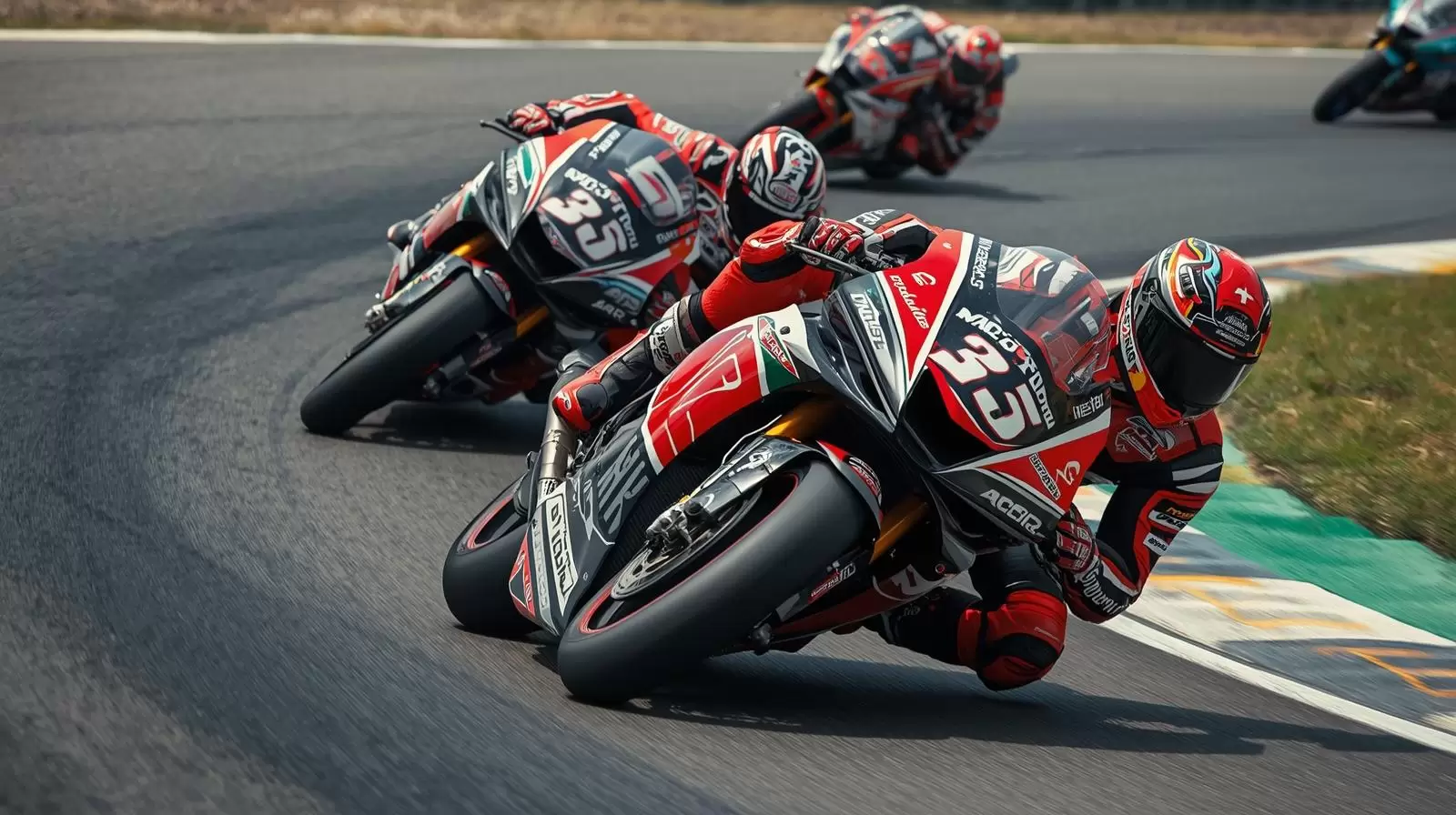
Famous bike racing has shaped the world of speed and endurance for decades, drawing millions of fans every year. From the legendary Tour de France to the rugged Dakar Rally and the high-adrenaline circuits of MotoGP, each event offers a unique test of skill, power, and determination.
Cycling classics such as the Tour of Flanders and Paris-Roubaix continue to inspire riders across generations. In motorcycle racing, MotoGP stands as the ultimate arena for champions. Exploring the world of famous bike racing reveals what truly makes these events unforgettable and impossible to ignore.
Tour de France Defines Cycling Excellence
The Tour de France remains the most prestigious cycling race on earth since starting in 1903. This three-week marathon covers roughly 3,500 kilometers through the French countryside, mountains, and occasionally neighboring countries.
Around 200 riders compete in teams, battling through 21 stages that test every aspect of endurance cycling. Mountain stages separate true champions from the rest of the pack.
Climbs like Alpe d’Huez and Mont Ventoux push riders to absolute limits while millions watch roadside.
Time trials add another dimension where individual strength matters more than teamwork. The yellow jersey awarded to the overall leader becomes cycling’s most coveted prize.
MotoGP Delivers High Speed Thrills
MotoGP is the highest level of motorcycle road racing and it delivers speed and intensity that few other sports can match. Factory teams invest huge amounts of money into bikes that reach more than 350 kilometers per hour.
With twenty races held in different countries, riders deal with everything from extreme heat to heavy rain. The bikes are so powerful that advanced electronics are needed to keep them stable on the track.
Traction control and anti wheelie systems help, but real skill still decides who wins. Safety gear is also essential, which is why professional riders always wear proper Leather Jackets instead of taking unnecessary risks.
Paris Roubaix Tests Mental Toughness
Paris-Roubaix earns its nickname “The Hell of the North” through brutal cobblestone sections. This one day classic covers around 260 kilometers with roughly 50 kilometers over ancient pavé sectors.
Riders endure bone-rattling vibrations, punctures, crashes, and exhaustion that break even seasoned professionals. The cobbles date back centuries and create unpredictable racing conditions every April.
Mud, rain, and dust transform already difficult sections into nightmares. Winning here requires equal parts strength, bike handling skills, and mental resilience. The victor receives a unique trophy featuring a cobblestone mounted on a plaque.
Dakar Rally Conquers Extreme Terrain
Dakar stands alone in famous bike racing for pure insanity and adventure. Two weeks navigating thousands of kilometers through deserts and mountains without real roads.
Half the riders who start never see the finish line because this rally destroys bikes and breaks spirits.
Navigation happens with roadbooks instead of following anyone or anything marked. Getting lost costs hours, mechanical problems end dreams, and the terrain punishes every mistake.
Finishing earns more respect than many race wins elsewhere. Weather protection like Waterproof Solid Textile Jackets becomes survival gear out there.
Tour of Flanders Celebrates Belgian Passion
Tour of Flanders brings out Belgian cycling madness every spring like nothing else. Steep cobbled climbs and narrow roads through Flemish countryside create chaos and drama.
Over 250 kilometers featuring bergs like Koppenberg that look more like walls than roads. Crowds pack these climbs so thick that riders barely squeeze through the noise. Belgians live for cycling and Flanders represents their biggest day.
Cold rain usually shows up, making those cobbles slicker than ice. Winning here means joining cycling royalty and becoming part of Belgian culture.
Isle of Man TT Pushes Risk Limits
The TT on the Isle of Man might just be the craziest race humans ever created. Public roads transform into a 60 kilometer course with over 200 corners and zero margin for mistakes.
Since 1907, riders have been risking everything here, and over 250 have paid the ultimate price. Time trials mean going out alone, racing the clock with no one to draft behind.
Speeds averaging over 210 kilometers per hour with stone walls inches away creates fear and respect. Some call it madness while others call it the purest test of riding skill. Breathable Summer Mesh Jackets help riders stay comfortable during these intense sessions.
Giro d’Italia Showcases Italian Beauty
The Giro d’Italia runs every May as cycling’s second biggest Grand Tour. Three weeks through Italian landscapes mixing coastal roads with mountain passes in the Dolomites and Alps.
The pink jersey looks gorgeous against Italian scenery during those mountain stages. Weather in the mountains can change everything within minutes during spring. Snow, rain, or sunshine alters race dynamics and creates unpredictable racing.
Italian fans bring incredible passion making every stage feel like a festival. Teams juggle winning stages versus protecting overall contenders throughout three weeks.
Superbike World Championship Connects Fans
Superbike racing features modified versions of production motorcycles instead of pure prototypes. This connection lets fans ride bikes similar to what races on weekends. The championship visits circuits worldwide with each race weekend offering two main races plus qualifying sessions.
Multiple manufacturers compete seriously since success translates directly to showroom sales. Close racing and accessible bikes make Superbike popular among everyday riders. Teams can adjust setups between races, rewarding technical knowledge and adaptability. The series balances affordability with exciting competition.
Vuelta a España Completes Grand Tour Trilogy
The Vuelta a España wraps up cycling’s Grand Tours every September. Spanish roads throw punchy climbs and brutal heat at riders already exhausted from long seasons. Three weeks through regions most people never see outside this race.
Mountain stages in northern Spain create spectacular racing with climbs nobody outside Spain knows. The red jersey marks leaders through three weeks of Spanish summer heat.
Many riders skip earlier Grand Tours specifically to target the Vuelta fresh. Late season timing makes this race unique among Grand Tours.
Motocross World Championship Dominates Dirt
Motocross takes bikes off pavement onto tracks that look designed to hurt people. Massive jumps, deep ruts, and terrain that changes constantly separate this from road racing completely.
Different classes let various bike sizes compete fairly based on engine displacement. The physical beating riders take seems impossible to handle for 30 to 40 minutes straight.
Constantly moving weight around while absorbing impacts from jumps and bumps exhausts everyone. Tracks get rougher throughout race days as bikes churn dirt into obstacle courses. Crashes happen regularly given the conditions and speeds involved.
American Flat Track Celebrates Tradition
Flat track racing is pure Americana on dirt ovals where bikes slide sideways through corners. Riders balance spinning rear wheels against steering front wheels at angles that look impossible.
The AMA runs top level racing from tiny ovals to mile-long speedways across America. Different bike classes from powerful twins to small production machines keep racing varied and interesting.
Finishes often come down to fractions of seconds between multiple riders. Many road racers say flat track taught them bike control they use everywhere. Those sideways skills translate directly to saving crashes on pavement.
Safety Gear Enables Modern Racing
Modern famous bike racing exists because safety equipment finally got good enough. Early racers basically wore street clothes and hoped for the best, which went badly. Today’s gear uses space age materials and smart design protecting riders while letting them move freely.
Helmets top the list for keeping brains safe across every racing discipline. Road racing needs aerodynamic designs while off road needs ventilation and visibility.
Quality Full Face Helmet designs protect properly without compromising comfort. Body armor and abrasion-resistant suits complete the protection package.
Technology Transforms Competition
Electronics changed racing dramatically over the past couple decades for both bicycles and motorcycles. Cyclists use power meters to pace efforts scientifically rather than guessing. GPS and computers provide data that coaches use for tactical decisions.
Motorcycles gained traction control, anti wheelie features, and engine mapping that seemed like science fiction before. Data systems record everything for engineers to analyze obsessively later.
Tiny changes from that data can mean winning versus losing. Some people hate technology in racing while others embrace the improvements.
Training Builds Champions
Success in famous bike racing needs way more than just being good at riding. Training programs build ridiculous strength, stamina, and flexibility for handling machines under pressure.
Cardiovascular fitness keeps minds sharp when bodies want to quit during long events. Mental training might matter even more than physical preparation at elite levels honestly.
Sports psychologists help with handling pressure, staying confident, and visualizing success. Pro schedules juggle riding, gym work, sponsor stuff, and recovery without burning out. Most riders start young but only a tiny percentage ever make it professionally.
Frequently Asked Questions
- What is the most prestigious cycling race in the world?
Tour de France wins that title hands down as cycling’s biggest event globally. The yellow jersey represents the ultimate dream for every professional road cyclist alive.
- How dangerous is the Isle of Man TT motorcycle race?
Incredibly dangerous, with over 250 deaths since 1907, making it motorsport’s deadliest event. Public roads with walls everywhere and speeds over 210 kilometers per hour leave zero room for errors.
- Can amateur cyclists compete in famous races like Paris-Roubaix?
Amateur versions let regular riders experience these legendary routes on the same roads. Professional races need WorldTour team contracts and proper racing licenses to enter.
- What makes MotoGP different from Superbike racing?
MotoGP runs purpose-built prototypes while Superbike modifies production bikes anyone can buy. MotoGP represents the absolute pinnacle with more speed and technology throughout.
- How long does the Dakar Rally motorcycle race last?
Roughly two weeks with daily stages covering hundreds of kilometers through harsh terrain. Total distance regularly exceeds 7,000 kilometers across deserts and mountains that destroy bikes.