
Most Important Motorcycle Gear: Ride Smart, Ride Protected

Every rider knows that moment when a car pulls out without warning. Maybe it’s gravel scattered across a turn, or rain that hits out of nowhere. The most important motorcycle gear includes a helmet, protective jacket, gloves, riding pants, and over-the-ankle boots.
This stuff makes the difference between walking away and ending up in a hospital bed. Car drivers get airbags and steel cages. Motorcyclists get whatever they’re wearing. Statistics back this up: proper helmets cut death risks by 37%.
That’s not marketing talk, that’s data from actual crashes. Knowing what gear works and why matters more than most riders think.
Head Protection Comes First
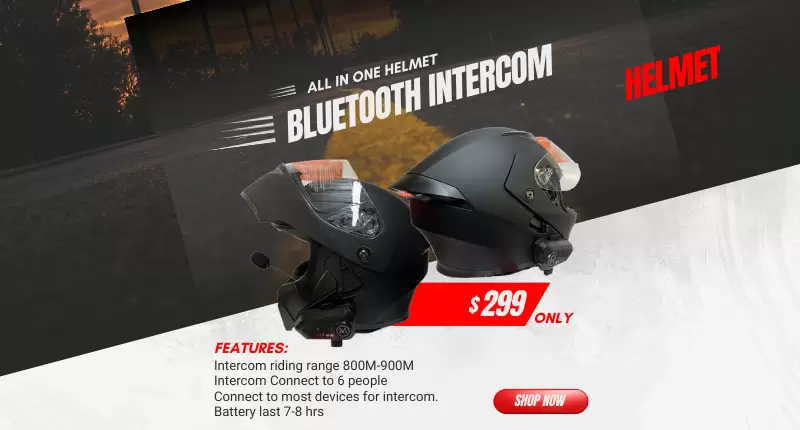
A helmet is the one thing nobody should ride without. Studies show helmets reduce head injuries by 69%. That number alone should settle any debate about wearing one. An Open Face Helmet covers everything from the chin-up.
When a crash happens, these helmets spread impact forces across more surface area. Less force concentrating in one spot means less damage. They also block wind, bugs, and whatever else flies at a rider’s face at speed.
Highway riders and anyone who likes going fast should stick with full-face. A Full Face Helmet gives better airflow and wider vision while covering the top and sides.
Cruiser riders and city commuters prefer these for the open feeling they provide. Both styles need proper certification, though. Look inside for DOT or ECE stickers before handing over money.
Upper Body Needs Real Protection
Motorcycle jackets aren’t fashion statements. They stop skin from shredding on asphalt and absorb hits that would otherwise crack ribs. At just 30 mph, pavement tears through regular clothing in under a second.
Leather Jackets handle road contact better than most synthetic materials. Thick cowhide or kangaroo leather can slide for dozens of feet before failing. Modern versions come with pockets for armor at shoulders, elbows, and spine.
Leather also blocks wind effectively and looks better as it ages. Some riders won’t wear anything else. Textile jackets work differently but can be just as protective. Waterproof ones keep riders dry, removable liners adapt to temperature changes, and ventilation beats leather on hot days.
Materials like Cordura get close to leather’s slide resistance while weighing considerably less. The key is making sure armor sits where it needs to during a crash, which means trying jackets on before buying.
Hands and Legs Need Coverage Too
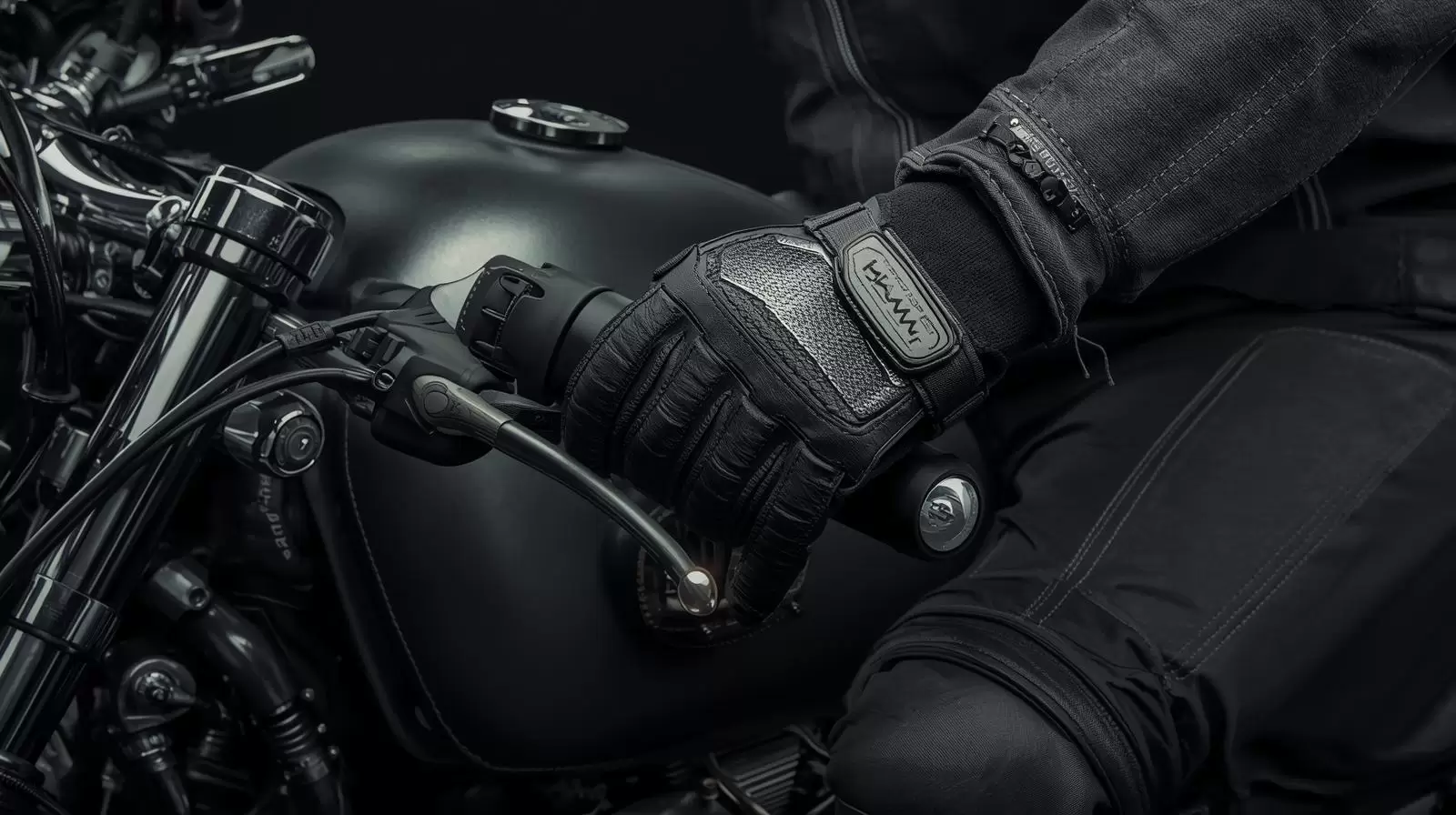
Hands shoot out automatically when someone falls. Without protection, broken fingers and shredded palms are almost guaranteed. Good gloves have knuckle armor and palm sliders that prevent this damage.
They should extend past wrists and stay put during slides. Most riders skip proper pants, which is a mistake. Regular jeans disintegrate almost instantly against asphalt. Riding pants with knee and hip armor actually protect legs during crashes.
Armored jeans look normal but have Kevlar woven in. Leather or textile pants offer even more protection. Boots matter more than people realize. Over-the-ankle styles prevent twisted ankles and protect against crushing injuries.
Motorcycle boots have reinforced toes, ankle guards, and soles that grip footpegs properly. Sneakers or work boots don’t cut it.
Weather Changes Everything
Conditions shift fast sometimes. Rain rolls in, temperatures drop, or heat becomes unbearable. Having the right gear for conditions keeps rides safe and comfortable. Rains Gear keeps water out and makes riders visible when visibility drops.
Waterproof suits or separate jacket and pants prevent getting soaked and cold. Reflective strips help other drivers see motorcyclists in heavy rain or fog. Wet base layers cause distraction and discomfort that no rider needs.
Keeping a small rain suit on your bike can save your ride when the weather suddenly changes. Staying dry under waterproof gear makes the whole ride much more comfortable.
Track Riding Needs Different Gear
Track days involve speeds and risks that street gear isn’t designed for. Crashing at 80 mph on a racetrack differs completely from sliding at 40 mph on a street corner. A Custom Race Suit offers maximum protection for track riders.
These suits, whether one-piece or two-piece, pack armor everywhere and use materials that survive high-speed crashes. Custom fitting keeps everything positioned right during slides that can exceed 100 mph.
Many include extra back protection, chest plates, and ventilation for hot track sessions. Race suits use titanium sliders and kangaroo leather in areas that contact pavement the most.
They cost more than street gear but become necessary for regular track riders. Anyone serious about track days needs proper equipment.
Putting It All Together
Every piece of protective gear functions as part of a safety system. Missing even one item leaves gaps that could mean serious injury during a crash. Start with a helmet, then add a jacket, gloves, pants, and boots.
Make sure everything has proper safety ratings. Think about typical riding conditions, personal style, and how much money is available. Good gear costs money upfront, but proves worth it over time.
Serious riders often own different gear for different situations. Summer mesh jackets, winter waterproof setups, and tracksuits all serve different purposes. Checking gear regularly and replacing worn items keeps protection levels where they need to be.
Frequently Asked Questions
- What is the most essential motorcycle gear for beginners?
Get a certified helmet first, then a jacket and gloves. These three items cover the most vulnerable areas during crashes.
- How often should motorcycle gear be replaced?
Replace helmets every five years or after any crash. Other gear needs replacing when it shows wear or damage.
- Do leather or textile jackets offer better protection?
Leather slides better, textile adapts to the weather better. Both work well with proper construction and armor.
- Are expensive helmets actually safer than budget options?
Not really, if both meet DOT or ECE standards. Pricier helmets usually just offer better comfort and features.
- Can regular jeans work for short motorcycle rides?
No, regular jeans fail almost instantly in crashes. Armored jeans with Kevlar work much better while looking similar.
- What gear is needed for riding in hot weather?
Mesh jackets with armor, perforated gloves, and ventilated helmets allow airflow. Textiles generally breathe better than leather when it’s really hot.