
Helmet Tap Alert: What This Secret Rider Signal Means


Ever seen an oncoming motorcyclist tap their helmet while passing by? Most new riders find this gesture puzzling at first. What does it mean when a motorcycle taps his helmet?
It signals police presence or speed traps ahead, warning fellow riders to check their speed. Sometimes it also indicates road hazards like deer, debris, or dangerous conditions.
This simple motion creates an invisible safety network among riders, much like flashing headlights between car drivers. Understanding these signals can save riders from tickets and keep everyone safer on the road.
Premium Pro Leather Race Suit
$1,299.00
GoPro Motorcycle Race Suit
$1,299.00
Flyjet Motorcycle Race Suit
$1,299.00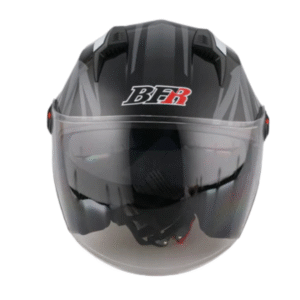
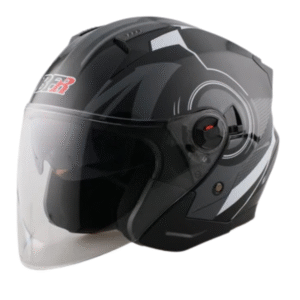


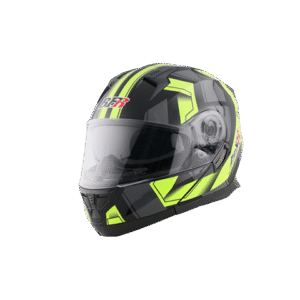
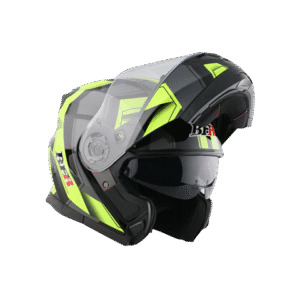
Copper Leather Race Suit
$1,299.00
Motorcycle Race Suit
$1,299.00
Burex Leather Race Suit
$1,299.00
The Universal Language of the Helmet Tap
The helmet tap has become essential communication in motorcycle culture. Riders pat the top of their helmet once or twice with an open palm. This gesture remains visible even at highway speeds.
What does it mean when a motorcycle taps his helmet comes down to one thing: danger ahead! Police presence tops the warning list, but experienced riders use it for various hazards.
Fresh gravel on pavement gets a helmet tap. Deer crossing areas deserve a helmet tap. Construction zones warrant a helmet tap too. Whether wearing an Open Face Helmet or Full Face Helmet, the signal works effectively for everyone.
Origins and Brotherhood Behind the Signal
The helmet tap emerged decades ago when riders needed covert speed trap warnings. Before smartphones and GPS apps existed, motorcyclists relied entirely on visual signals.
This gesture strengthened community bonds among riders facing greater road vulnerability. Unlike drivers in enclosed vehicles, bikers needed mutual protection.
The helmet tap became more than a warning signal. It evolved into a symbol of respect and shared responsibility for safety.
When and How Riders Use This Signal
Timing matters when using the helmet tap effectively. Most riders signal when passing oncoming motorcyclists about hazards ahead. Distance varies depending on the specific danger involved.
Speed traps might need warnings several miles in advance. Road debris only needs a quarter mile heads up. Riders briefly raise one hand to tap firmly on the helmet crown. The movement needs to be visible but not compromise riding stability.
Many riders make exaggerated movements for better visibility, especially when wearing dark Leather Jackets that blend with surroundings.
Beyond the Helmet Tap: Other Motorcycle Signals
The helmet tap serves as the most recognized warning signal. However, motorcyclists use various hand gestures for different messages. Left arm extended downward with palm back means slowing or stopping.
Left arm bent at 90 degrees with fist closed signals right turn. Left leg extended outward warns of hazards on that side. Arm extended upward with fist closed, means single file formation needed.
These signals create a comprehensive visual language for navigating challenging situations. Mastering these communications transforms solo riding into a collective safety experience.
Respecting the Signal: Rider Etiquette
Receiving a helmet tap comes with unspoken responsibilities worth following. First, acknowledge the warning with a slight nod or wave back. Second, heed the warning by checking speed and scanning for hazards.
Third, continue the chain by warning other riders beyond the hazard. This pays it forward mentality sustains the tradition among riding communities. Ignoring warnings or failing to pass them along breaks trust.
New riders should embrace these customs, representing decades of collective safety wisdom. Ready to join responsible riders who look out for each other? Explore quality Waterproof Solid Textile Jackets and riding essentials for better visibility.
Modern Technology Meets Traditional Signals
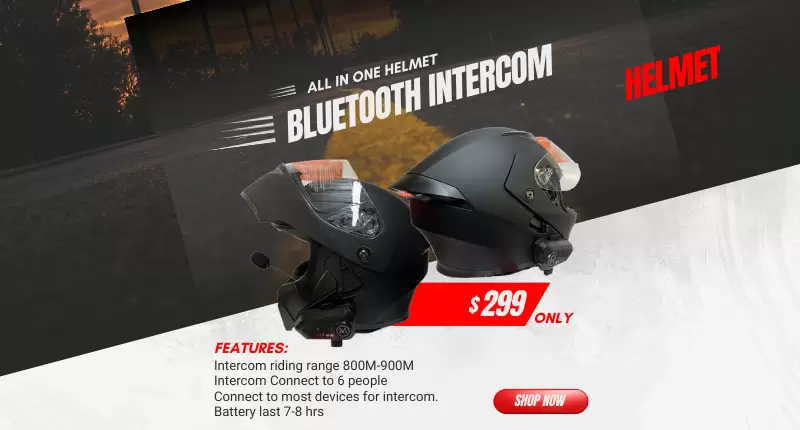
Despite Bluetooth helmet systems and rider to rider intercom devices, helmet taps remain relevant. Apps now alert riders to speed traps through smartphone notifications. Yet nothing replaces the immediate human connection of one rider warning another.
Technology supplements rather than replaces traditional signals effectively. Bluetooth systems work great within riding groups but cannot warn random passing motorcyclists. The helmet tap bridges that gap in modern riding culture.
Some riders combine both methods for maximum safety awareness. Using apps to stay informed while employing helmet taps warns oncoming traffic better. This hybrid approach leverages both community wisdom and contemporary technology.
Legal and Safety Considerations
Some riders wonder whether warning others about police crosses legal boundaries. Courts generally uphold the right to warn about speed traps. They view it as protected free speech, similar to flashing headlights.
However, laws vary by jurisdiction and location matters. The helmet tap encourages responsible riding behavior from a safety perspective. When warned about police ahead, most riders naturally check their speed.
This heightened awareness extends beyond avoiding tickets to all potential hazards. Critics argue warning about speed traps enables dangerous riding sometimes. Evidence suggests the riding community self regulates effectively, though.
Seasoned riders view the signal as promoting awareness rather than facilitating recklessness. Most believe it makes roads safer for everyone involved.
Frequently Asked Questions
- What does it mean when a motorcycle taps his helmet while riding?
The helmet tap primarily signals police presence or speed traps ahead. It can also indicate road hazards like animals, debris, or dangerous conditions.
- Should the helmet tap signal be acknowledged?
Yes, acknowledging with a quick nod or wave shows appreciation. It confirms the message was received and maintains rider courtesy traditions.
- Do all motorcyclists understand the helmet tap signal?
Most experienced riders recognize this nearly universal signal across different communities. Some newer riders might not be familiar with it initially, though.
- Can the helmet tap mean anything other than police ahead?
Absolutely, context matters when interpreting the signal correctly. It warns about wildlife, construction, accidents, weather, or hazardous road surfaces.
- Is using the helmet tap signal legal?
Warning other drivers about speed traps is generally legal and protected. It falls under free speech similar to flashing headlights in most places.