
A Complete Look at Types of Motorbike Racing

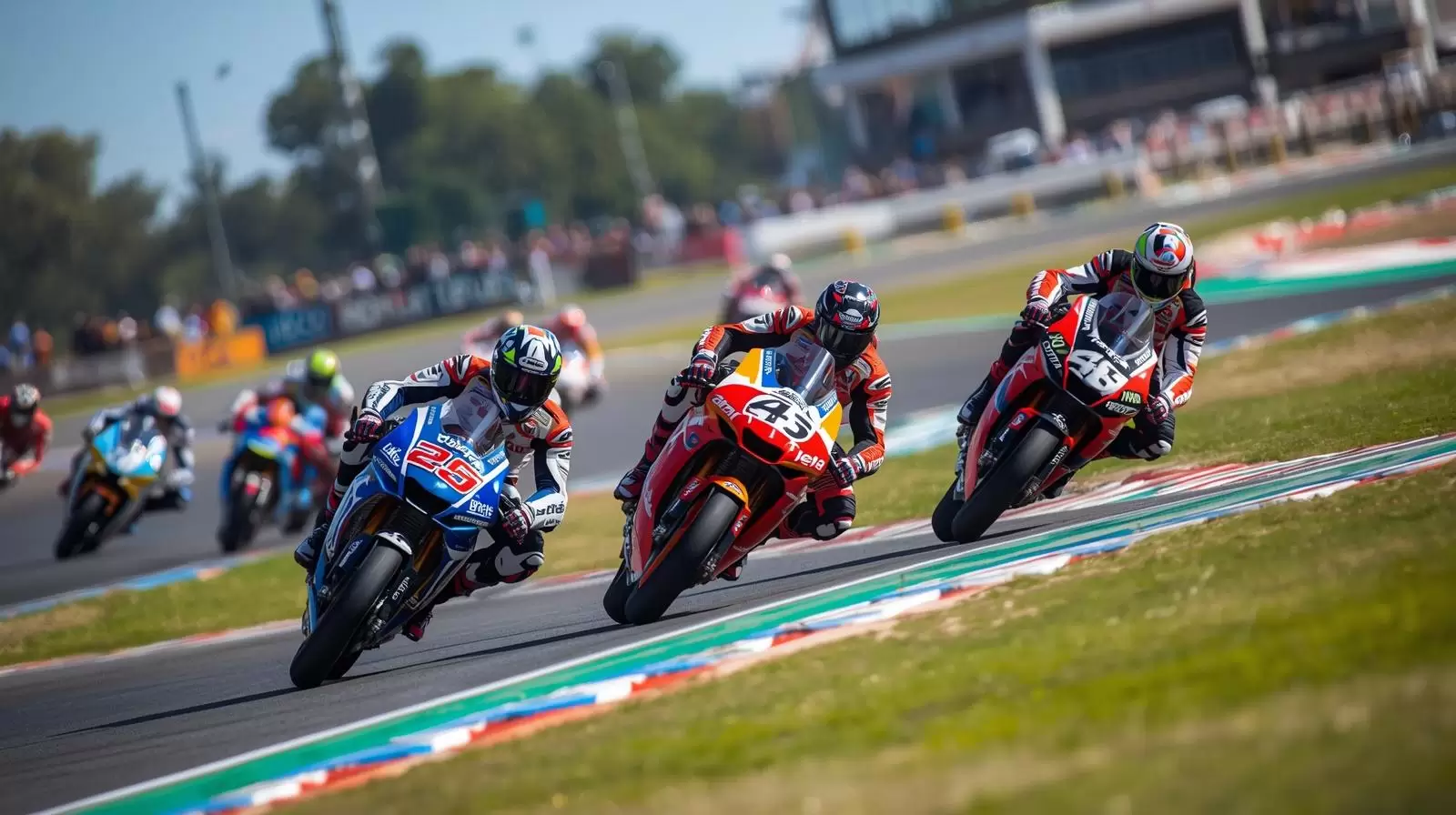
The roar of engines, the smell of burning rubber, and riders pushing their bikes to the limit make motorcycle racing one of the most exciting sports in the world. The main types of motorbike racing fall into two groups.
Road Racing happens on paved tracks, including MotoGP and Superbike events, where speed and precision are key. Off-Road Racing takes riders over dirt, mud, and natural terrain with events like Motocross, Enduro, Speedway, and Trials.
Other forms include Drag Racing, Supermoto on mixed surfaces, and unique challenges like Ice Racing or Hill Climbs, offering thrills for every kind of adrenaline seeker. Get ready to dive into the world of motorbike racing and discover what makes each type truly unforgettable!
Road Racing: Where Speed Meets Precision
Road racing is the big deal among all types of motorbike racing. Riders zoom around closed roads or special tracks, hitting over 200 mph (321.87 km/h) through corners and straightaways. MotoGP is the top level, where teams spend huge amounts of money making super advanced bikes.
The Isle of Man TT really tests nerves, though. Riders race 37 miles on normal roads that get turned into a track for the event. Leather Jackets from Six Gear keep riders safe with tough protection for those high-speed moments.
Superbike Racing: Modified Production Power
Superbike racing is awesome because it starts with regular bikes people can actually buy. Teams take these bikes and make them faster with better engines, suspension, and brakes following certain rules.
Fans dig this because the racing bikes look like ones sitting in showrooms. The World Superbike Championship features these powerful machines racing at tracks around the world.
Competition stays really close since rules keep things fair between brands. Waterproof Solid Textile Jackets help riders handle any kind of weather at the track.
Motocross: Conquering Earth and Air
Moving from smooth roads to bumpy dirt, motocross is a totally different game. This sport takes natural ground and builds courses with jumps, turns, and rough sections that challenge riders and bikes. Races go for 15 to 40 minutes but feel way more intense than longer ones.
The cool thing about motocross is watching riders adjust as the track gets rougher with each lap. The physical beating from landing jumps is really tough on the body Mesh Pants let riders breathe during hot racing while keeping them protected from crashes.
Trials: The Art of Precision Balance
Trials riding might be the trickiest discipline, even though it’s not really racing. Riders go over super hard obstacles like big rocks and steep hills without touching the ground with their feet.
Each foot touch loses points. The best trials riders can bounce their bikes up almost straight walls or stay perfectly still on tiny obstacles. These special bikes are light with strong engines and no seat because riders keep moving around constantly.
Supermoto: The Ultimate Mixed-Surface Challenge
Supermoto makes exciting races by putting different surfaces together in one track. Courses have pavement, dirt, and sometimes jumps, so riders need different skills in the same race. The bikes are basically dirt bikes with road tires and better brakes.
Surfaces change quickly, making riders switch their style instantly. The mix keeps racing exciting as riders from different backgrounds compete fairly. Protective Denim Jeans look good and keep riders safe during practice.
Flat Track and Speedway: Sideways at Full Throttle
Flat track and speedway racing show amazing bike control. Riders use specially made bikes, often without front brakes, sliding sideways around oval dirt tracks. American Flat Track is the main competition here.
Speedway has stricter rules, with smaller engines running special fuel. These bikes accelerate superfast but require great skill to control through turns. The basic setup makes both sports easier to get into, but learning to slide takes lots of time.
Ice Racing: Frozen Fury
Ice Racing keeps bikes racing during winter on frozen lakes and ice tracks. Riders put special studded tires with hundreds of metal spikes that grip the ice. The speeds seem impossible on such slippery surfaces, but riders still lean into corners hard.
One mistake and bikes can slide out of control if the spikes lose grip. This sport is really popular in cold countries like Sweden and Russia, where winter gives plenty of ice to race on.
Drag Racing: Pure Acceleration
Drag racing is all about straight-line speed. Two riders take off together from a stop, racing side by side down a straight quarter-mile track. The fastest bikes hit over 250 mph (402.34 km/h) in about five seconds, which sounds completely crazy.
Races are won or lost by tiny fractions of a second, so getting a good start matters big time. Riders need to launch hard for speed without spinning the tire or lifting the front wheel. Big events draw huge crowds wanting to watch these powerful machines fly down the strip.
Hill Climbs: Defying Gravity
Hill Climbs are one of the most amazing things to watch. Riders attack nearly straight-up hillsides on loose dirt or grass, trying to reach the top fastest. Many don’t make it and slide back down or fall off when they lose speed.
Bikes have modified engines making tons of power with grippy tires and longer frames for balance. Riders hold the throttle wide open while pointing almost straight up, using their body to avoid flipping over backward.
Enduro: Testing Endurance and Navigation
Enduro racing combines different challenges into really long, tough races. Events happen over natural ground like forests, rocky areas, and streams. Instead of prepared tracks like motocross, enduro gives riders raw wilderness to deal with.
Racers follow checkpoints and stick to time limits. The endurance name fits perfectly, since some events last days and cover hundreds of miles. Riders need to be super fit and know how to ride technical stuff really well.
Supercross: Stadium Spectacle
Supercross takes motocross inside by building dirt tracks in massive stadiums with jumps and tight corners. Started to bring bike racing to cities during winter, it now fills stadiums with cheering fans. Stadium layouts let everyone see all the action.
Tracks have huge jumps, sending riders 30 feet up while they’re already thinking about what’s next. Pro riders become airborne artists, throwing bikes sideways while flying. Summer Mesh Jackets give good airflow with solid protection.
Getting Started in Motorcycle Racing
Anyone wanting to try types of motorbike racing can find ways to start. Most racing styles have beginner classes and special track days where new people learn safely. Local clubs make it easy to begin with helpful experienced riders showing the way.
Starting at local club races builds skills slowly and costs less money. The important thing is choosing something that matches what someone enjoys and can physically handle.
Ready to gear up for the racing adventure ahead? Visit Six Gear to discover premium motorcycle clothing and protective equipment designed for riders who refuse to compromise on quality or safety.
Track Days and Training Opportunities
Before racing competitively, track days let people ride fast bikes in safe environments. These organized events give access to real racetracks without competing against others.
Professional teachers usually help, showing riders how to improve while learning track rules. Many racing schools run programs at big tracks worldwide, teaching body position and racing tactics.
Some schools provide bikes and gear to rent, making it easier for people testing if racing is for them.
The Mental Game
Sure, riding skill and bike power matter, but mental strength often decides who wins. Top racers stay super focused to make quick decisions while handling danger at high speeds. Thinking through each corner before racing helps riders prepare mentally.
Handling fear is really important in a dangerous sport. Good racers learn to be careful without getting too scared to make moves. This mental edge separates winners from others who ride just as well physically.
FAQs About Motorcycle Racing
- What are the main types of motorbike racing?
The main ones are road racing, motocross, superbike racing, flat track, drag racing, enduro, trials, and supercross.
- Which type of motorcycle racing is the most dangerous?
Road racing on regular roads like the Isle of Man TT is really dangerous because of high speeds and roadside hazards.
- Can beginners participate in motorcycle racing?
Yes, most racing types have beginner classes and track days for learning in safe ways.
- What equipment do I need to start racing motorcycles?
Basic gear includes a good helmet, racing suit, gloves, boots, and back protection.
- How fast do racing motorcycles go?
It depends on the type, from about 60 mph in motocross to over 250 mph in drag racing.
- Is motorcycle racing expensive?
Costs change a lot, with local club racing being affordable while professional racing needs lots of money.