
Leather vs Mesh Motorcycle Vest: Which One Wins?

Riders often grab the wrong vest and regret it within the first hour. Sweating through leather in July or freezing inside mesh at dawn gets old fast. The direct answer to leather vs mesh motorcycle vest comes down to climate and riding purpose.
Leather wins for protection and cooler weather while mesh wins for breathability and summer comfort. Seasoned riders who match material to season report better ride quality overall.
But there is more hiding inside this comparison than just temperature preference, so keep reading to find out what most riders completely miss.
What Makes a Leather Motorcycle Vest Worth Choosing
Leather has survived decades of riding culture for very good reasons. Cowhide leather vests resist abrasion far better than most synthetic materials available today. Natural hide fibers stay together during slides where mesh panels quickly fall apart.
Cold mornings and unpredictable weather feel noticeably more manageable inside proper leather. A leather biker vest also molds gradually to the rider’s body over multiple seasons of regular use.
That personal break-in delivers a fit no factory can manufacture at any price point. Riders who invest in quality leather consistently report feeling more confident on longer rides and in mixed weather conditions throughout the year.
The dense material also adds a layer of wind resistance that the mesh simply cannot match at speed.
Explore the Rains Gear collection for layering options that pair perfectly with leather in shifting weather conditions on longer rides.
Why Mesh Motorcycle Vests Work So Well in Hot Weather
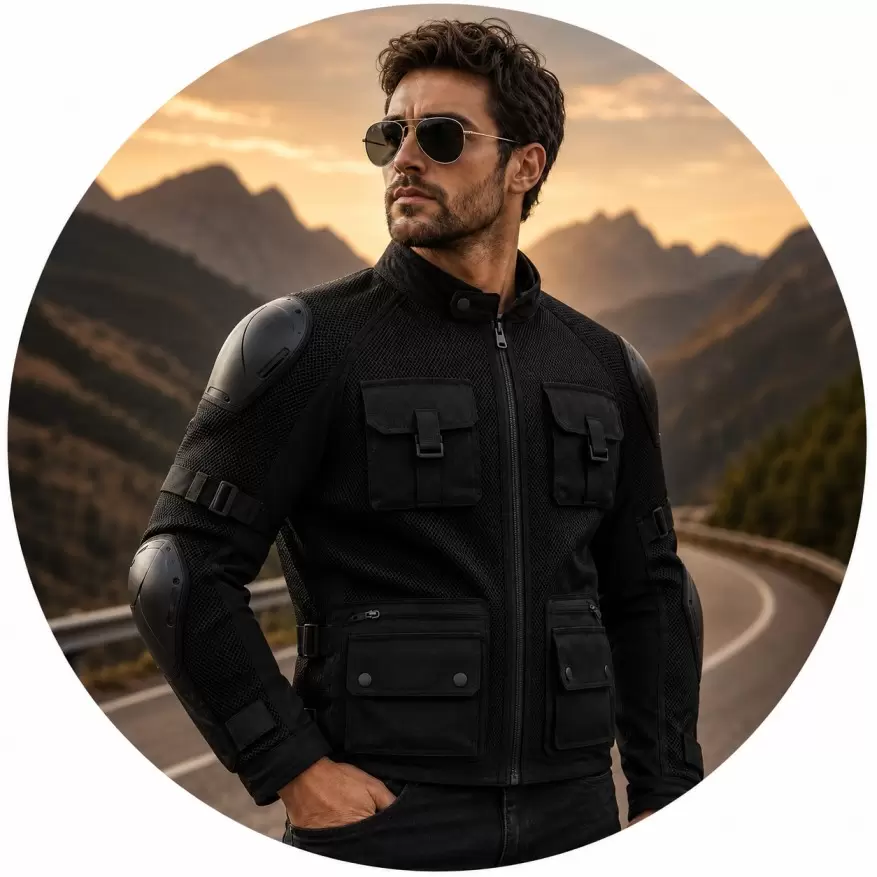
Summer riding inside leather feels genuinely punishing on hot days. A mesh motorcycle vest fixes that problem immediately through open-weave airflow construction that keeps the torso cool.
Lightweight synthetic panels pull heat away from the body during slow urban traffic stops. Many modern mesh riding vests now carry CE-rated armor pockets at both the back and chest areas.
Riders in warm climates consistently lean toward mesh for daily commuting and casual weekend rides around town. The price point also sits considerably lower than comparable quality leather options on the market.
Affordability and comfort together make mesh vests a sensible starting point for riders building their gear collection from scratch.
Beyond just summer days, mesh works brilliantly for riders who spend a lot of time in stop-and-go city traffic where engine heat radiates upward and airflow stays minimal.
A lighter vest means less fatigue on the upper body during long commutes through congested urban roads every single day.
Leather vs Mesh Motorcycle Vest: Honest Protection Breakdown
Protection is where this debate gets genuinely serious for every rider on the road. Leather motorcycle vests deliver stronger abrasion resistance because dense hide fibers slide cleanly along asphalt without tearing.
Mesh construction creates small gaps that become real weak points during high-speed road contact in a slide. However, armored mesh vests using Cordura reinforcement panels and CE Level 2 back protectors have narrowed the protection gap considerably in recent years.
Highway riding at speed still favors leather without much argument from experienced riders. Lower-speed urban commuting makes a well-armored mesh motorcycle vest a perfectly reasonable daily protection choice for most riders.
Riding context should always drive the material decision rather than personal taste alone. A rider who splits lanes in city traffic at low speeds faces completely different risks than someone carving mountain roads at higher speeds on weekends.
Comfort, Fit, and Which Riding Style Each Vest Actually Suits
Leather feels stiff at first but softens noticeably with every single ride over time. Mesh delivers immediate comfort straight from the packaging without requiring any meaningful break-in period at all.
Cruiser motorcycle riders spending hours in an upright position on long roads often love leather’s eventual custom fit against the body. Commuters fighting heat and city traffic benefit far more from breathable mesh vest construction and lightweight feel throughout the day.
Touring riders covering hundreds of miles in a single day also appreciate how leather regulates body temperature better across changing conditions. Riders building a layered Custom Race Suit setup often choose a lightweight mesh vest underneath for minimal added bulk beneath the outer layer.
Riding position, trip length, and local temperature patterns all shape which material actually performs where it matters most during real rides on real roads.
Durability, Maintenance, and Real Long-Term Value
A properly conditioned leather motorcycle vest holds up easily for a decade or considerably longer with basic care. Leather needs periodic conditioning every few months to stay supple and resist cracking over years of regular use.
Mesh motorcycle vests demand far less maintenance overall and handle machine washing without any real trouble after dusty rides. Synthetic mesh does degrade faster under repeated UV exposure and regular washing cycles compared to quality leather alternatives.
Quality leather vests cost more upfront but pay off across years of consistent riding. Mesh suits riders who want low-maintenance seasonal gear without conditioning schedules or careful storage. Moreover, self-assessment of riding frequency helps determine which material actually makes practical sense.
Which Vest Should a Rider Actually Pick
The right vest depends entirely on how and where riding actually happens. Leather motorcycle vests suit cooler climates, long tours, and club riding culture.
Mesh motorcycle vests suit summer commuters and warm-weather riders who prioritize daily comfort. Smart year-round riders often keep both ready depending on the season.
Leather handles cool morning rides while mesh handles summer city heat. Gear decisions rooted in actual riding conditions always beat decisions made purely on looks. Choosing correctly means more comfortable rides and stronger protection where it genuinely counts.
FAQs
Is leather better than mesh for motorcycle vest protection?
Yes, leather vests provide stronger abrasion resistance because natural hide fibers hold together far better during slides at speed.
Can a mesh vest handle cold or wet weather riding?
No, mesh motorcycle vests offer minimal insulation and perform very poorly in cold or rainy riding conditions.
How long does a quality leather motorcycle vest actually last?
A well-maintained leather biker vest lasts a decade or more with regular conditioning and proper storage between rides.
Do mesh motorcycle vests come with built-in armor protection?
Many mesh vests include CE-rated armor pockets but the actual protectors are typically purchased separately by the rider.
Which vest material works better for hot summer riding?
Mesh motorcycle vests win clearly in summer because open-weave construction allows airflow that reduces heat buildup significantly during rides.
Is a leather motorcycle vest actually worth the higher price?
For regular riders wanting durable long-lasting gear, a leather motorcycle vest delivers genuinely strong value across many riding seasons.