
Motorcycle Vest Patches: Everything Riders Need to Know

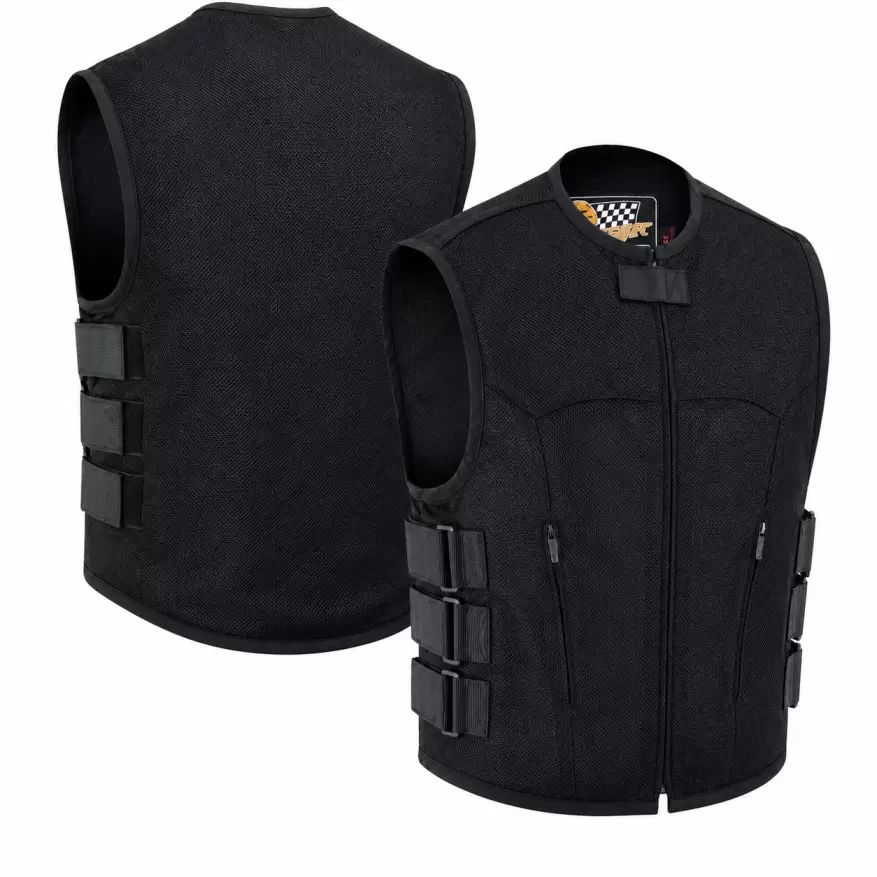
Most riders struggle to make their vest look intentional rather than random. A well-placed motorcycle vest patch instantly solves that problem.
Riders who understand placement rules build vests that earn genuine respect on the road. A motorcycle vest patch is an emblem, rocker, or decorative piece sewn onto a riding vest to express identity, club membership, or personal milestones.
According to the Motorcycle Industry Council, over 10 million motorcycles are registered in the United States alone, and a massive share of those riders treat their patch setup as seriously as the bike itself.
Get placement wrong and experienced riders notice immediately. Get it right and the vest tells a story worth reading. So what actually separates a sharp, intentional patch setup from a cluttered mess that nobody respects?
Why Patches Matter More Than Most Riders Realize
Patches are way more than just fabric sewn onto a vest. Every biker patch tells other riders something real about who is wearing it and where they stand.
Club affiliation, rank, territory and personal history all get read at a glance before anyone even says a word. Leather Jackets gave birth to the cut tradition, and patches are what gave that tradition its soul across generations of riders.
Skipping the learning curve around patch culture leads to wearing the wrong thing in the wrong place, and that creates awkward friction nobody wants at a rally. Getting this foundation right is what makes the rest of the vest actually work.
Types of Motorcycle Vest Patches Worth Knowing
Different patches carry completely different weight, and knowing the difference changes everything. Club patches represent formal membership in a recognized motorcycle club. Rocker patches display the club name above and geographic territory below.
Event patches commemorate specific rallies, charity rides, or milestone journeys. Memorial patches keep fallen riders alive in memory on every ride.
Decorative patches featuring skulls, eagles, flames, and flags give independent riders genuine creative freedom. Embroidered patches remain the most durable and popular choice across biker culture.
Woven patches handle finer artwork better while PVC patches resist weather exceptionally well. Each type tells a different part of the rider’s story and mixing them thoughtfully creates something real.
Motorcycle Vest Patch Placement Rules That Actually Matter
Patch placement on a motorcycle vest follows a structured code that experienced riders read instantly. The back center holds the largest patch and acts as the visual anchor of the entire setup.
The top rocker sits curved above displaying the club name. The bottom rocker marks geographic territory below. The front left chest carries officer rank patches like President or Road Captain. The front right chest holds name tags or road name patches.
Side panels work perfectly for smaller decorative pieces or achievement patches. Overcrowding the front panel weakens every individual biker vest patch and makes the whole setup look unplanned.
Balance and intention separate setups that turn heads for the right reasons from ones that raise eyebrows for the wrong ones.
The Three-Piece Patch Rule Independent Riders Must Respect
The three-piece setup consisting of a top rocker, center patch, and bottom rocker signals formal outlaw MC membership. Wearing it without club authorization creates serious misunderstandings that go far beyond awkward conversations.
In areas with active motorcycle clubs, those misunderstandings escalate into real problems quickly. Independent riders should stick to a single back patch with no rockers attached.
A clean one-piece motorcycle patch makes no territorial claim and communicates cultural awareness instead.
It still looks sharp, carries personal meaning, and earns genuine respect from experienced riders who immediately recognize when someone understands biker culture versus when someone is stumbling through it unknowingly.
How to Attach a Motorcycle Vest Patch the Right Way
Sewing beats every other attachment method for long-term durability on a riding vest. Leather vests need a heavy-duty leather needle paired with strong polyester thread that holds through heat and moisture.
A whipstitch along the outer edge creates a clean finish that lasts thousands of miles. Double-stitching large back patches prevents lifting during extended rides. Positioning all patches on a flat vest before sewing saves a lot of frustration later.
Riders who wear an Open Face Helmet keep the full vest visible on the road, making a clean patch layout even more striking to passing riders. Iron-on patches used alone simply won’t survive real road conditions long-term.
Building a Custom Vest Layout as an Independent Rider
Independent riders have complete creative freedom and that is genuinely exciting territory. The back patch anchors everything and should run 10 to 12 inches wide for strong visual presence.
Personal slogans, original artwork, meaningful symbols, and tribute designs all work beautifully in that space. Chest patches should stay around 3 to 4 inches wide so they complement rather than compete with the back.
A consistent color palette ties the whole layout together across leather or denim. Memorial patches, rally event commemorations, and personal mottos layered together create a narrative that actually means something.
Explore 6th Gear‘s riding collection to find quality vests built for a serious custom motorcycle vest patch layout.
Mistakes That Undermine a Motorcycle Vest Patch Setup
Wearing territorial rockers without authorization tops the list of mistakes that create real problems. Copying established club patch designs sends dangerous signals in the wrong environments.
Overcrowding the front panel kills the visual impact of every piece on the vest. Using cheap iron-on patches on leather guarantees embarrassing peeling at the worst possible moment.
Placing decorative patches where rank patches traditionally belong signals a clear lack of cultural awareness. Offensive imagery creates unnecessary friction at events and among the broader riding community.
Every motorcycle vest patch placement decision reflects either genuine understanding of biker culture or the complete absence of it, and experienced riders always notice.
FAQs
What exactly is a motorcycle vest patch?
It is an emblem sewn onto a riding vest to represent identity, club membership, or personal milestones.
Can someone wear patches without joining a club?
Yes, just avoid three-piece rocker setups since those signal formal MC membership.
How many patches work well on a vest?
Enough to tell a meaningful story without overlapping designs or removing breathing room between pieces.
Do placement rules apply to denim vests too?
Yes, cultural placement rules stay consistent regardless of whether the vest material is leather or denim.
What size should a back patch be?
Most riders go 10 to 12 inches wide to properly fill the back panel.