
Motorcycle Gear Checklist for Beginners: Everything You Need Before Your First Ride

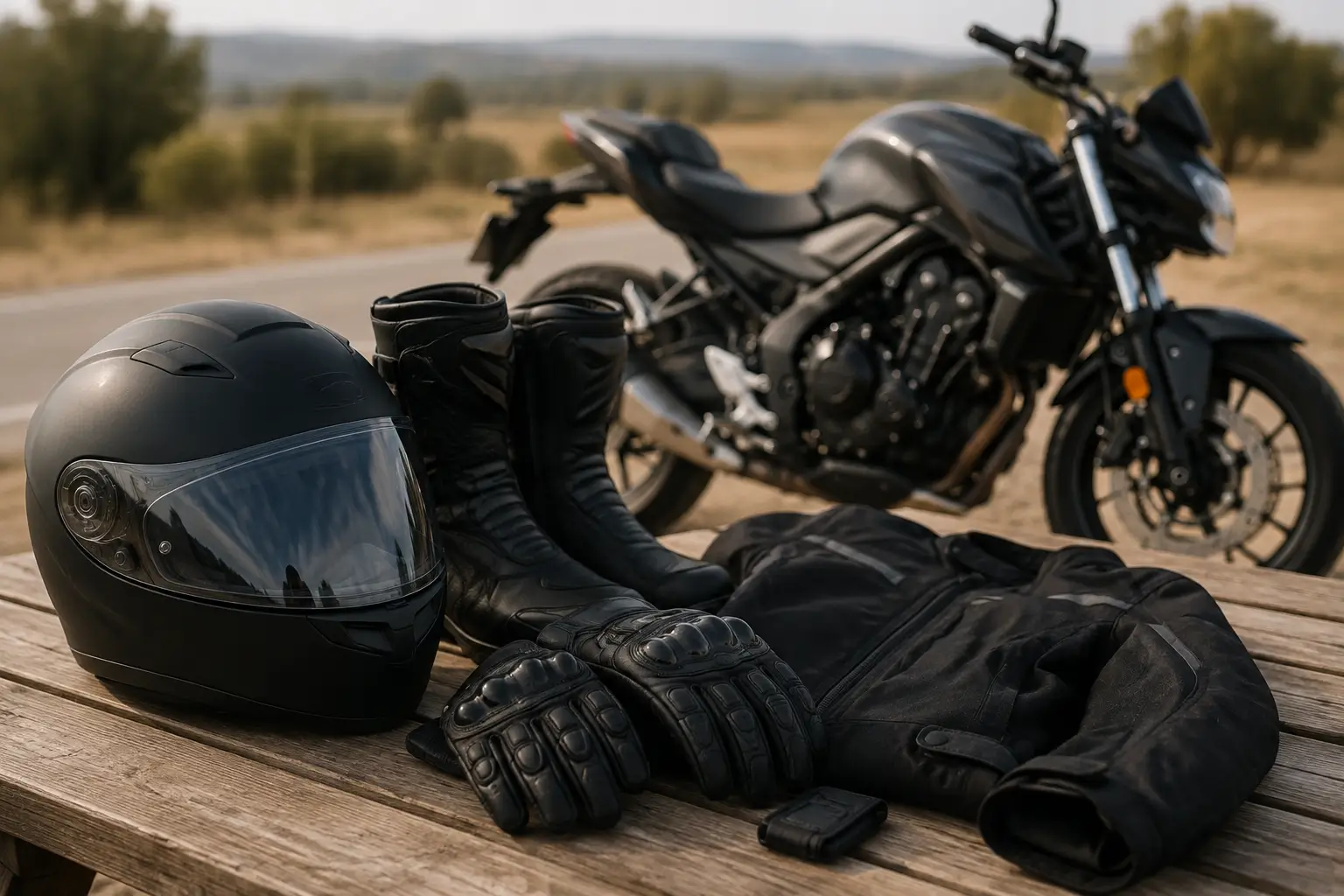
Every new rider feels that rush before heading out solo. It is a great feeling. But here is what most people forget to mention. The gear you wear on day one can make a major difference if you have a crash.
The motorcycle gear checklist for beginners is your very first safety decision. New riders face the highest crash risk in their first 12 months. Most of those crashes happen at low speed, close to home. So before you twist that throttle, ask yourself: if you went down right now, is your body actually covered?
Why Beginner Motorcycle Gear Matters
Gear can protect you during a crash, and that’s not all. Motorcycle gear can help protect you during a crash. It can also improve comfort in different weather conditions. Proper gear can help manage heat in summer and keep you warmer in colder weather.
It makes you more visible to other vehicles. Riding naturally, when you feel physically covered and secure. You concentrate on the road, rather than what will happen if you fall.
This is reflected in the numbers. Many new accidents occur at intersections or in parking lots. These are slow speed scenarios. Many riders do not wear all the gear when riding short distances. That’s when accidents are most likely to occur.
The 5-Piece Beginner Motorcycle Gear Checklist
Five items. No shortcuts. Wear all five on every ride during your first year.
| Gear | Body Part Covered |
| Full-Face Helmet | Head, face, chin |
| Riding Jacket | Shoulders, elbows, back |
| Riding Gloves | Hands, wrists, knuckles |
| Riding Pants | Hips, thighs, knees |
| Motorcycle Boots | Ankles, feet, shins |
1. Helmet: Start Here, Every Time
No helmet means no ride. Your chin and jaw take a hit in about 35% of all crashes. Always choose a full-face helmet as a beginner. Open-face styles leave your lower face wide open.
What to Look For in a Beginner Helmet
Fit beats price every time. The helmet should feel snug all around with zero pressure points. It must not move when you shake your head hard. Try it in person before buying.
Look for DOT, ECE 22.06, or SNELL on the label. Never buy used. A significant impact can damage the helmet’s inner liner even when the damage is not visible from the outside.
Choose from full-face helmets, open-face helmets, or 3/4 face helmets based on your riding preference.
2. Riding Jacket: Protect Your Upper Body
A regular hoodie does not provide the abrasion and impact protection of a motorcycle jacket. Even a 20 mph crash causes serious road rash without the right jacket. A proper riding jacket resists abrasion and keeps armor over your elbows, shoulders, and spine.
Jacket Types Explained
Leather gives the strongest abrasion resistance for cruiser and sport riders. Textile is lighter and handles all weather. Look for 600D polyester or Cordura fabric. Mesh works best in summer with real airflow and armor still in place.
Always look for CE Level 2 armor at the shoulders, elbows, and back. A back protector pocket matters too.
3. Riding Gloves: Your Hands Hit the Ground First
In many falls, riders instinctively put their hands out to protect themselves. Sliding on concrete at 15 mph with bare palms causes real damage. Motorcycle gloves are built to handle exactly that.
Look for reinforced palms, hard knuckle armor, and a locked wrist strap. For summer, pick breathable perforated gloves. Go waterproof for cold or wet days.
4. Riding Pants: The Most Skipped Item on This List
Most crash victims had no riding pants on. Asphalt tears regular jeans apart in less than a second. A slide causes the most damage to hips, thighs, and knees.
Riding Jeans vs Textile Pants: Which One Is Right?
These offer greater protection than standard denim. The decision is dependent upon where and how you ride.
For maximum protection, look for a textile pants that comes with CE-rated knee and hip armor. Best for highway riding. Armored riding jeans look like normal denim but hide aramid fiber lining inside. Great for city riders who need to walk around off the bike. Always confirm armor inserts are included in the price before you buy.
Shop mesh pants, protective denim jeans, or solid textile pants depending on your riding needs.
5. Motorcycle Boots: Ankles Need Real Protection
Sneakers come off in crashes. Work boots do not grip foot pegs. Both do not offer ankle protection. Low speed tip-overs are the most common cause of ankle injuries, and the number of new riders who tip over is more than they might expect.
The right riding boot should be over-ankle in height, have oil resistant soles, reinforced toe box and a shift pad on the left boot. These motorcycle boots have anti-slip soles and ankle cups for real road protection.
Extra Gear Worth Adding
You can still be spotted if you put on bright safety vest over your jacket. The most common reason for a car-to-bike collision is that the driver does not see the rider.
If it matters, motorcycle rain jackets and rain pants will help to keep you dry and in control when the weather is mixed. Headsets and heated equipment can be saved for year two.
Common Mistakes New Riders Make
Wrong helmet fit. Snug means snug. A loose helmet moves in a crash.
Skipping pants on short rides. Most crashes happen close to home. Gear up every time.
Stylish gear with no armor. It looks good. It fails completely when you hit the ground.
Keeping gear after a crash. Helmet foam is done after one real impact. Replace it right away.
Skipping rider training. No gear teaches emergency braking. An MSF course does.
FAQs
What gear does a beginner motorcyclist need first?
The helmet. It protects your head and face in the most deadly type of crash. Start there before anything else.
Can I ride in regular jeans?
No. Cotton jeans tear easily in less than a second when exposed to asphalt. Wear armored riding jeans, or textile pants with built-in armor.
What is the meaning of DOT or ECE on a helmet?
Safety certifications. DOT is the US minimum standard. ECE 22.06 is the toughest real-world standard available right now.
Do I need motorcycle boots instead of regular shoes?
Yes. Regular shoes do not protect ankles, do not grip foot pegs, and come off during crashes.
Is gear necessary for short rides?
Yes. Most beginner accidents happen near home at low speed. Gear up on every ride no matter how short.
What is ATGATT?
All The Gear, All The Time. Helmet, jacket, gloves, pants, boots. Every ride. No exceptions ever.
Ready to Ride Right
Gearing up properly is the best first move any new rider makes. Start with the five essentials. Add a hi-vis vest and rain gear when you are ready. Build the habit early and it will protect you for years to come.